

服務(wù)熱線


電力機(jī)箱機(jī)柜的技術(shù)升級(jí)
發(fā)布時(shí)間:2026-06-10 來(lái)源:http://www.fzjfvx.cn/ 瀏覽量:
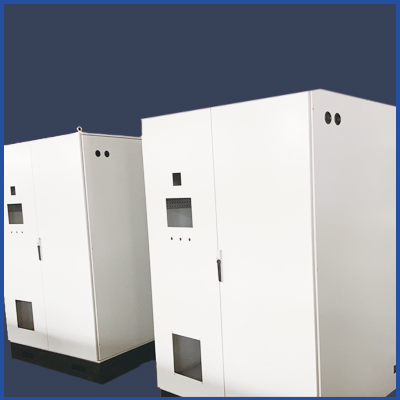
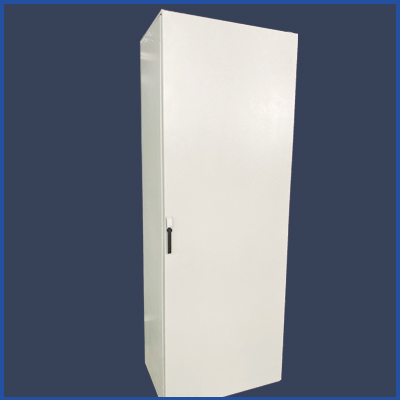
智能化是電力機(jī)箱機(jī)柜的主要發(fā)展趨勢(shì)。傳統(tǒng)的電力機(jī)柜主要依賴人工巡檢和維護(hù),存在效率低、故障發(fā)現(xiàn)滯后等問(wèn)題。而智能化電力機(jī)柜通過(guò)集成傳感器、物聯(lián)網(wǎng)模塊和智能控制系統(tǒng),實(shí)現(xiàn)了對(duì)機(jī)柜運(yùn)行狀態(tài)的實(shí)時(shí)監(jiān)測(cè)、遠(yuǎn)程管理和故障預(yù)警。
Intelligence is the main development trend of power chassis cabinets. Traditional power cabinets mainly rely on manual inspection and maintenance, which have problems such as low efficiency and delayed fault detection. The intelligent power cabinet integrates sensors, IoT modules, and intelligent control systems to achieve real-time monitoring, remote management, and fault warning of the cabinet's operating status.
傳感器可實(shí)時(shí)采集機(jī)柜內(nèi)的溫度、濕度、電流、電壓、煙霧、水浸等數(shù)據(jù),通過(guò)物聯(lián)網(wǎng)模塊將數(shù)據(jù)傳輸至云端管理平臺(tái)。運(yùn)維人員可通過(guò)手機(jī)、電腦等終端遠(yuǎn)程查看機(jī)柜運(yùn)行狀態(tài),一旦數(shù)據(jù)超出預(yù)設(shè)閾值,系統(tǒng)會(huì)自動(dòng)發(fā)出聲光告警、短信告警或APP推送,提醒運(yùn)維人員及時(shí)處理。部分高標(biāo)準(zhǔn)智能機(jī)柜還具備自主調(diào)節(jié)能力,例如當(dāng)機(jī)柜溫度過(guò)高時(shí),可自動(dòng)啟動(dòng)風(fēng)扇或空調(diào)降溫,實(shí)現(xiàn)無(wú)人值守運(yùn)維。
Sensors can collect real-time data on temperature, humidity, current, voltage, smoke, water immersion, etc. inside the cabinet, and transmit the data to the cloud management platform through IoT modules. Operation and maintenance personnel can remotely check the operation status of the cabinet through mobile phones, computers, and other terminals. Once the data exceeds the preset threshold, the system will automatically issue sound and light alarms, SMS alarms, or APP push notifications to remind operation and maintenance personnel to handle it in a timely manner. Some high standard smart cabinets also have autonomous adjustment capabilities, such as automatically starting fans or air conditioning to cool down when the cabinet temperature is too high, achieving unmanned operation and maintenance.

模塊化設(shè)計(jì)讓電力機(jī)箱機(jī)柜的應(yīng)用更加靈活快捷。傳統(tǒng)的電力機(jī)柜多為定制化生產(chǎn),設(shè)計(jì)周期長(zhǎng)、成本高,且后期擴(kuò)容改造難度大。而模塊化電力機(jī)柜將柜體、安裝導(dǎo)軌、配電模塊、散熱模塊等主要部件標(biāo)準(zhǔn)化、系列化,用戶可根據(jù)實(shí)際需求自由組合搭配,快速搭建滿足不同場(chǎng)景需求的機(jī)柜系統(tǒng)。
Modular design makes the application of power chassis cabinets more flexible and efficient. Traditional power cabinets are mostly customized for production, with long design cycles, high costs, and difficult expansion and renovation in the later stage. Modular power cabinets standardize and series the main components such as cabinets, installation rails, distribution modules, and heat dissipation modules. Users can freely combine and match them according to their actual needs, and quickly build cabinet systems that meet the needs of different scenarios.
模塊化設(shè)計(jì)不僅縮短了機(jī)柜的設(shè)計(jì)和生產(chǎn)周期,降低了生產(chǎn)成本,還很大的提升了機(jī)柜的擴(kuò)容便利性。當(dāng)電力系統(tǒng)需要擴(kuò)容時(shí),只需增加相應(yīng)的功能模塊即可,無(wú)需更換整個(gè)機(jī)柜,既節(jié)約了資源,又降低了改造成本。此外,模塊化設(shè)計(jì)還便于機(jī)柜的維護(hù)和更換,某個(gè)模塊出現(xiàn)故障時(shí),可快速更換,減少停機(jī)時(shí)間,保障電力系統(tǒng)的連續(xù)運(yùn)行。
Modular design not only shortens the design and production cycle of cabinets, reduces production costs, but also greatly improves the convenience of cabinet expansion. When the power system needs to be expanded, only corresponding functional modules need to be added, without the need to replace the entire cabinet, which not only saves resources but also reduces the cost of renovation. In addition, modular design also facilitates the maintenance and replacement of cabinets. When a module fails, it can be quickly replaced, reducing downtime and ensuring the continuous operation of the power system.
熱門(mén)產(chǎn)品 / HOT PRODUCT
新聞推薦 / NEWS RECOMMENDATIONS

 TEL:0531-69922480 18866409905
 EMAIL:jntyhc@163.com
 公司地址:濟(jì)南市槐蔭區(qū)經(jīng)十西路3788號(hào)
 備案號(hào):魯ICP備09028695號(hào)-3
魯公網(wǎng)安備37010402441282號(hào)
備案號(hào):魯ICP備09028695號(hào)-3
魯公網(wǎng)安備37010402441282號(hào)




 首頁(yè)
 產(chǎn)品
 電話
電話 置頂
置頂